Seafood is an obvious choice in Bali. Rather fewer visitors think to order it at a Chinese table.
That is a missed opportunity. Cantonese cooking places a strong emphasis on careful preparation and balanced seasoning, allowing seafood to retain much of its natural character.
At a Cantonese restaurant in Bali, seafood is not confined to one section of the menu. It runs through the whole meal.
Seafood in Every Course
Consider the shape of a Cantonese meal. Prawns arrive inside the first dumpling, turn up again in a soup, anchor a wok dish, and finish the evening in a hot pot broth.
That range is the argument for ordering Chinese seafood rather than settling for a straightforward grilled fish. You are not choosing one preparation. You can follow the same ingredient through several different techniques across one dinner.
Cantonese cooking makes that possible. Seasoning is often used to complement the main ingredient rather than obscure it, allowing seafood to work across steamed, fried, wok-fried and simmered preparations.
Prawns in the Dim Sum Basket
Dim sum is where seafood at the table can begin.
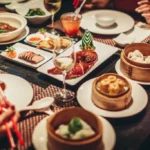
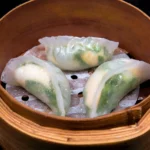
Har Gow are steamed prawn dumplings wrapped in a delicate translucent skin. The prawn remains the focus, while the wrapper provides just enough texture to hold everything together.
Crystal Dumplings bring prawn together with chives, adding a fresh, mildly sharp note to the basket. Siu Mai combine prawn with either pork or chicken in an open-topped dumpling, making them a generous savoury option alongside a pot of tea.
Fried Wontons take pork and prawn in another direction, with a crisp exterior and savoury filling. Order across both steamed and fried preparations if you want some contrast on the table, and our guide to dim sum across Ubud and Sanur covers how to build the rest of the order.
The Prawn Selection From the Wok
The prawn section lists four preparations, and they are genuinely different dishes rather than four versions of the same plate.
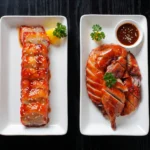
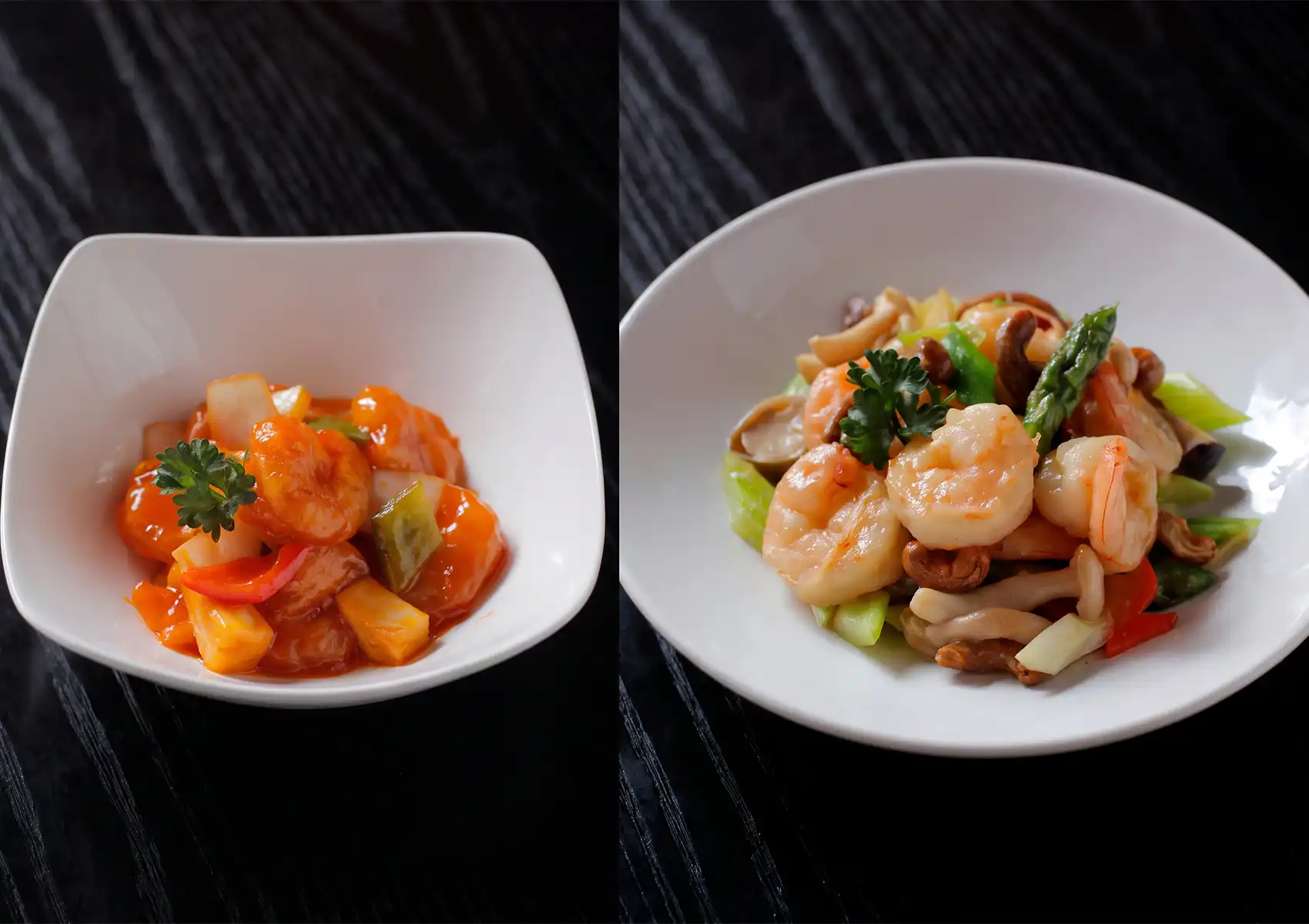
Sweet & Sour brings tri-colour capsicums and pineapple, making it bright, tangy and easy to share. It is a particularly approachable choice for a mixed table.
Kung Pao is bolder, with dried chilli and cashew nuts adding fragrance, texture and gentle warmth. It has some heat, but the dish is about the balance between chilli, sauce and crunch rather than sheer intensity.
Butterfly Prawns arrive breadcrumbed with sweet and sour sauce, giving you a crispier preparation and a clear contrast with the wok-fried dishes.
The Stir Fried Prawn is the quieter option. Celery, mixed mushrooms and cashew nuts accompany the prawns without covering their flavour, making this a natural choice when you want the seafood itself to remain the focus.
Fish for the Centre of the Table
Whole and filleted fish anchor a meal in a way that smaller plates do not.
Fried Gurami comes in three preparations: Soya Sauce, Special Sauce, and Sweet & Sour Sauce. The same fish takes on a different character depending on the sauce you choose, so the best option depends on what else is already on the table.
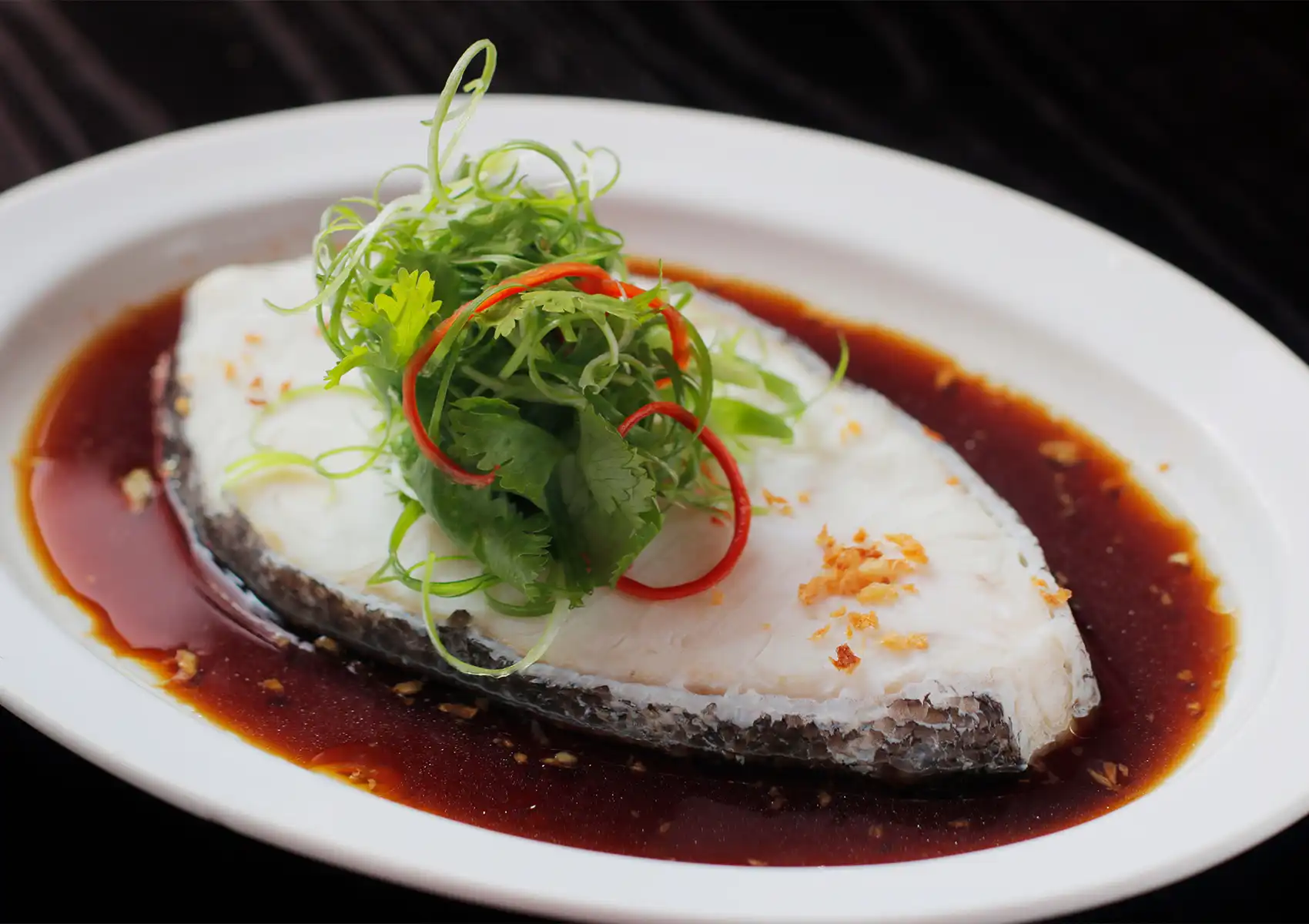
Steamed Cod with Superior Soya Sauce sits at the other end of the technique. Steaming keeps the preparation clean and lets the fish remain the centre of the dish.
We have written about that dish and about why steaming works particularly well for fish in a separate piece on Cantonese fish cookery, which is the place to start if fish is the reason you are booking.
Seafood in the Soup Bowl
Soup is the course people skip and the one that most rewards attention.
Corn Crab pairs fresh crab meat with a sweet corn broth. It is gentle, faintly sweet, and it works particularly well as an opening course for a table that includes children or anyone eating cautiously.
Hot and Sour brings seafood into a sharper, warmer broth, and it is the better opener before a rich main course because it wakes the palate rather than soothing it.
Wonton soup carries pork and prawn parcels in a clear broth with bok choy. Order it as a course or as a light lunch on its own.
The Hot Pot Table at Sanur
Hot pot is available at the Sanur branch alone. For seafood, it is the most interesting thing on offer.
You cook it yourself, seconds at a time, which means nothing overcooks unless you allow it to. Local shelled prawns, scallops and sliced barramundi go in and come out at exactly the moment you want them.
At the top end sit slipper lobster and whole butterfly prawns, both substantial enough to organise a table around. Braised octopus brings a different texture entirely, and prawn paste with chilli and garlic goes in by the spoonful to flavour the broth itself as the evening goes on.
Choose a mild base if seafood is your priority. A collagen or mushroom broth lets the shellfish keep its own flavour, where a mala broth will overwhelm it.
Building a Seafood-Led Meal
Order across techniques rather than across species, and the meal balances itself.
Take one steamed plate, one fried, one from the wok, and a soup. That gives you clean, crisp, savoury and warm across the same table, and the balance of flavour holds from the first plate to the last.
Add a plate of stir-fried greens. Request the garlic sauce rather than the oyster sauce if anyone at the table requires a fully vegetarian dish, as oyster sauce is not suitable for all vegetarian diets.
Finish with steamed rice rather than fried. A seafood meal deserves a plain backdrop.
Booking a Table
Chinese seafood is one of the quieter pleasures of eating in Bali, and it does not compete with the beach restaurants so much as offer something they cannot.
Both locations serve the prawn, fish and soup dishes above. For the hot pot table, and for the slipper lobster and butterfly prawns that come with it, Sanur is the branch to book.
Golden Monkey Ubud sits on Jalan Dewi Sita and opens daily from 12.00 PM. Golden Monkey Sanur is on the ground floor of ICON BALI Mall at Jalan Danau Tamblingan No. 27, a short walk from the beachfront promenade, and opens daily from 11.00 AM.
Reserve a table at either location through the reservations page. Order the prawns two ways. We welcome you to the table.