Some meals are made to be rushed. Yum cha is not one of them. It is a slow Cantonese tradition built around pots of warm tea, small shared plates, and unhurried conversation that stretches comfortably across a morning. At Golden Monkey, a Cantonese restaurant in Bali, this calm ritual is part of the reason guests linger long after the last steamer basket has been cleared.
Yum Cha as a Cantonese Ritual
The phrase yum cha translates simply as “drink tea.” That plain translation reveals what the occasion is really about. Tea comes first, and everything else gathers around it.
Yum cha is less a single dish and more a way of spending time. Friends and family sit together, pour tea for one another, and share Cantonese dim sum as it arrives from the kitchen. There is no fixed order and no rush. The plates keep coming, the pot stays warm, and the conversation sets the pace.
This is what separates yum cha from an ordinary lunch. The food is generous, yet the tea and the company remain firmly at the centre of the table.
The Origins of a Slow Cantonese Ritual
Yum cha began in the teahouses of Guangdong, in southern China. Travellers and workers would stop to rest, drink tea, and take a little food along the old trade roads. Over time, those simple tea stops grew into something warmer and far more social.
The teahouse became a gathering place. Small savoury dishes were added alongside the tea, and the habit of meeting over a shared pot settled into everyday life. For many families, a weekend morning of yum cha became a fixture, a chance to slow down and sit together.
That heritage still shapes yum cha today. It remains a relaxed, tea-led occasion rather than a formal meal, and that unhurried ease is what defines it.
The Central Role of Tea
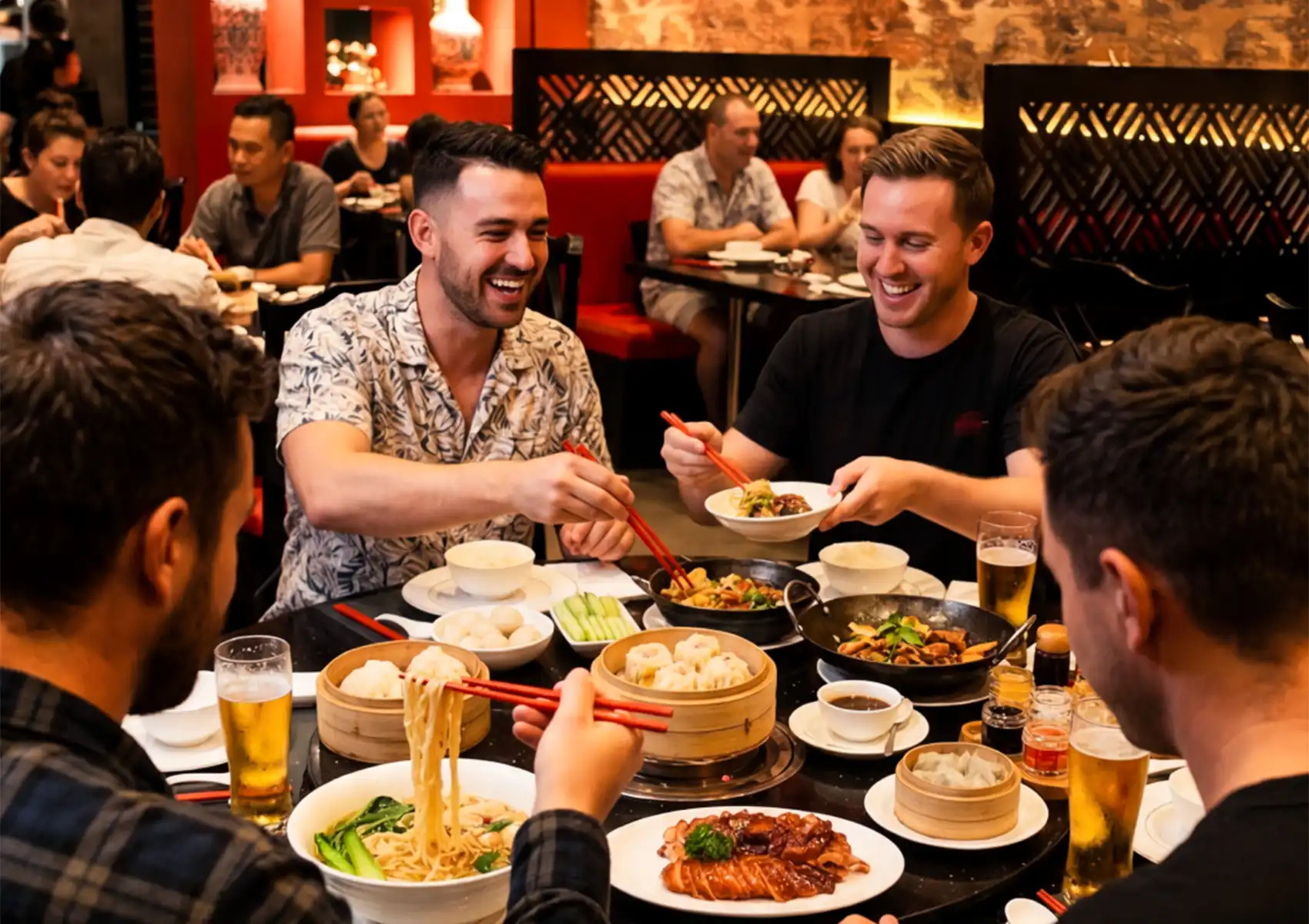
Tea is not a side note at yum cha. It is the foundation the whole occasion rests on. The right pot sets the mood, refreshes the palate, and cuts gently through the richer dishes on the table.
Choosing Your Tea
Several teas suit the yum cha table, and each brings its own character. Pu-erh is deep and earthy, and it balances fried and fattier dishes especially well. Oolong is fragrant and smooth, sitting comfortably beside almost anything.
Jasmine is light and floral, while chrysanthemum is delicate and softly sweet. Any of them works well, so you simply pick the one that suits your table and let it be topped up throughout the meal.
The Quiet Language of the Teapot
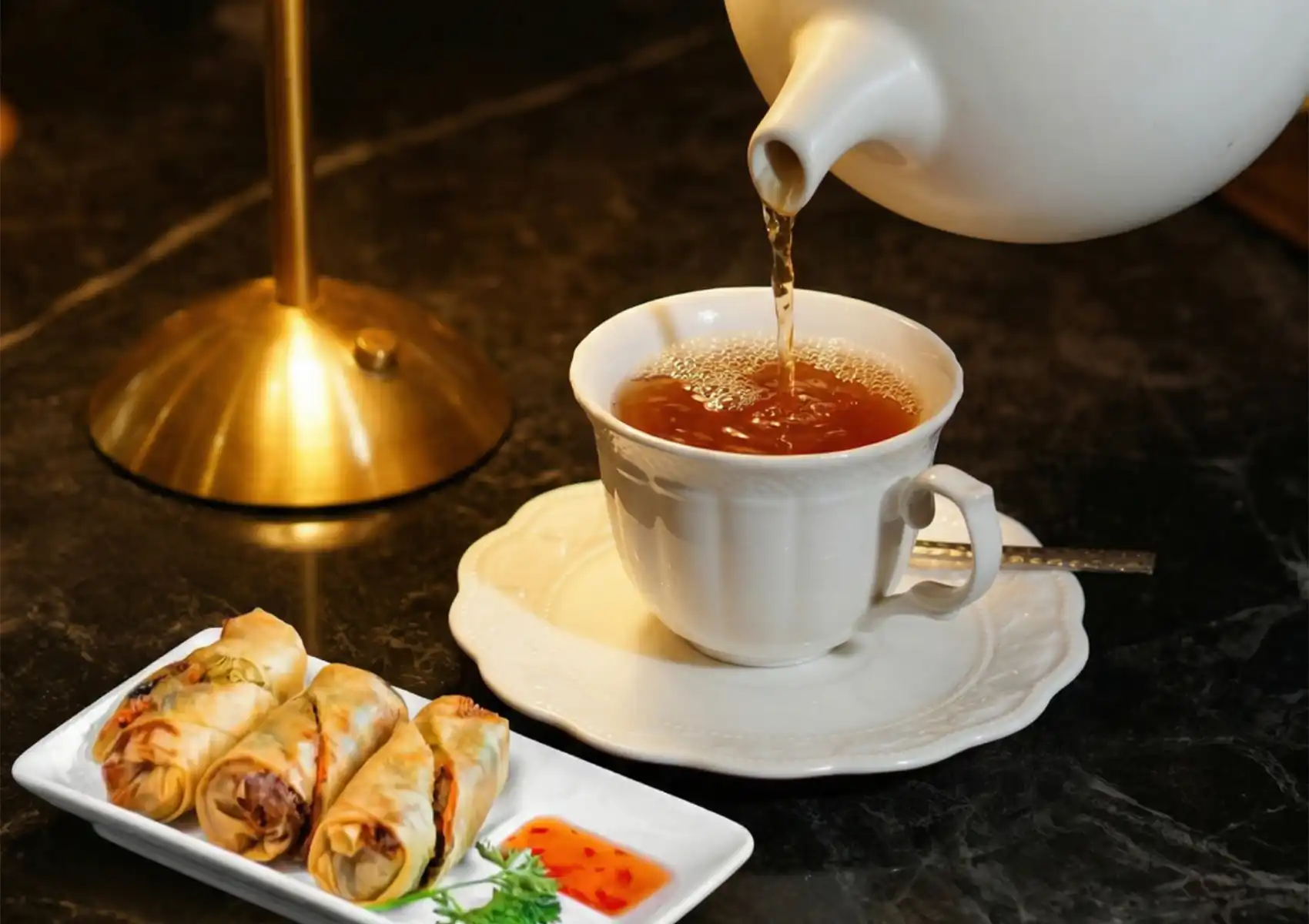
Yum cha carries a few unspoken customs, gentle rather than strict. When your pot runs low, rest the lid slightly open on top. This tells the staff that you would like a refill, so there’s no need to call across the room.
When someone fills your cup, you may tap two fingers softly on the table. This gesture is a silent thank-you, a courtesy passed down through generations. Pouring for others before yourself, or filling an elder’s cup first, comes from the same spirit of care.
The Dishes That Fill the Table
Once the tea is poured, the dim sum begins to arrive. Each serving is small, meant for sharing a few pieces at a time. Cantonese dim sum favours fresh, balanced flavours that complement the tea rather than overpower it.
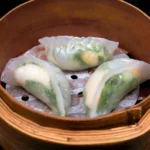
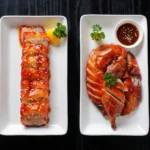
Steamed baskets sit alongside fried and baked dishes. Delicate handmade Har Gow, plump Siu Mai, and soft Char Siew Bao are among the table’s classics, with sweet custard buns to round off the meal. The variety is wide, and every plate is built to be passed around.
Part of the pleasure lies in the pacing. You order a few dishes, enjoy them slowly with your tea, then order a few more as the mood takes you. At Golden Monkey, the handmade dumplings are prepared with the attention to detail the Cantonese dim sum tradition demands, and the spread offers every table plenty to enjoy.
Experiencing Yum Cha at a Cantonese Restaurant in Bali
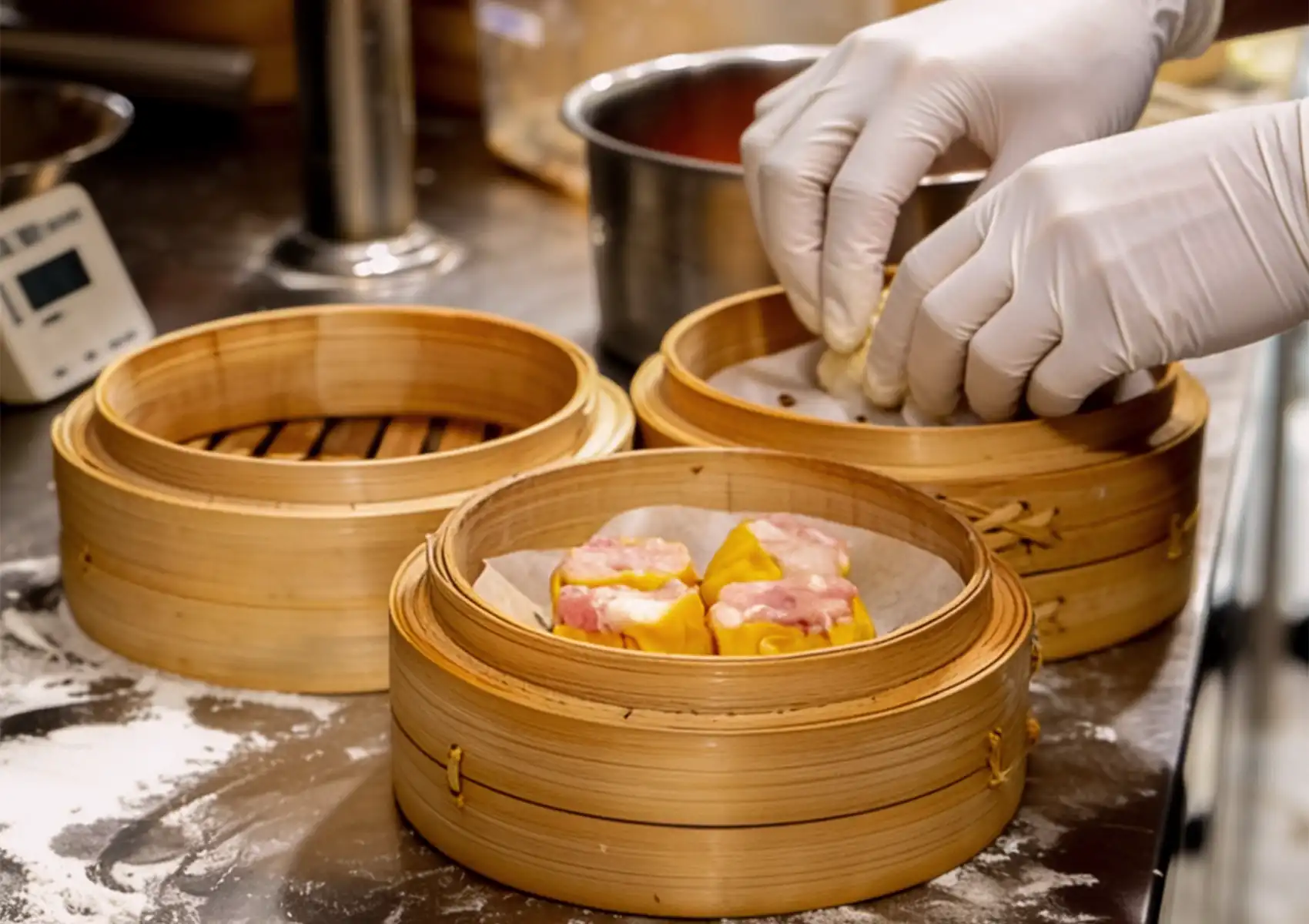
An authentic yum cha experience is not easy to find on the island. Golden Monkey is a Cantonese restaurant in Bali that honours the calm, tea-led spirit of the tradition. Full pots of tea, freshly made dim sum, and an unhurried table are all part of the welcome you receive.
You will find Golden Monkey in Ubud on Jalan Dewi Sita, and in Sanur on the ground floor of Icon Mall Bali. Browse the full menu before you arrive, then reserve your table at Golden Monkey and choose the location that suits you for a morning worth lingering over.