There are dishes that nourish the body, and then there are dishes that carry an entire civilisation within them. The handmade dumpling is the latter. From the tea houses of Guangzhou to the lush hillsides of Ubud, this humble parcel of dough and filling has travelled centuries without ever losing its meaning.
The Ancient Symbolism of the Chinese Dumpling
The dumpling is far more than a menu item. It is a cultural artefact, a living record of Cantonese values and the deep human desire to gather over something beautifully made.
A Tradition Born of Prosperity and History
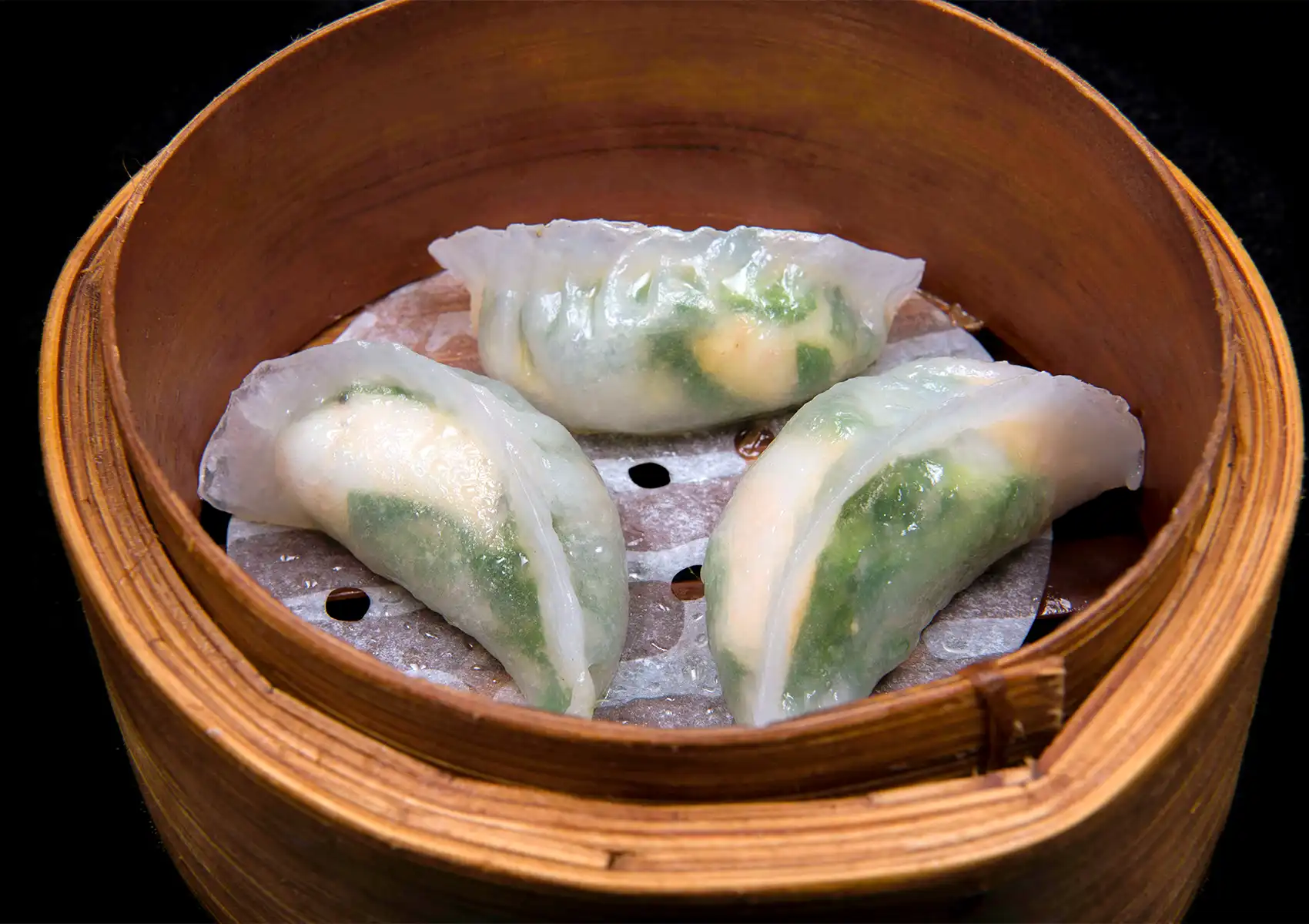
Few dishes carry the cultural weight of handmade dumplings in Bali as they do across Cantonese culture. Known as Jiaozi and deeply woven into the fabric of southern Chinese culinary tradition, the dumpling has long symbolised togetherness and abundance. Its distinctive crescent shape was crafted deliberately to mirror ancient gold ingots, believed to invite good fortune to any table it graced.
For the Cantonese people, traditional dim sum was never merely food. It was a ceremony. Families would gather on weekday mornings and lazy weekend afternoons, crowding around bamboo steamers and sharing delicate parcels over cups of fragrant tea. Within this ritual, the dumpling held a place of honour, representing the care and intention of the hands that made it.
From Royal Courts to the Modern Dining Table
The dumpling did not arrive at our tables by accident. Its journey is one of the most compelling in culinary history, shaped by emperors, healers, and home cooks alike.
Cantonese heritage food has always balanced grandeur with humility, and the dumpling is perhaps the finest example of this. Historical records trace Jiaozi back over 1,800 years, with early versions prepared for medicinal purposes during the Han Dynasty. Over the centuries, imperial chefs refined the pleating technique and elevated the fillings, before the recipe trickled back to everyday homes and bustling tea houses. Despite evolving across dynasties and continents, the handmade dumpling has never lost its soul.
The Artisan Craft of Hand Folding
Behind every exceptional dumpling is a pair of exceptionally skilled hands. Hand folding is not a stylistic choice; it is a technical necessity that separates a truly memorable dim sum experience from an ordinary one.
Why Handmade Beats Machine-Made Every Time
There is a reason that authentic Chinese dumplings are always made by hand in any kitchen worth its salt. Hand-kneaded dough develops a particular elasticity that no mechanical process can truly replicate. It responds to the warmth of the chef’s palms, creating that signature texture: tender enough to bite through cleanly, yet resilient enough to hold its shape through steaming or poaching without tearing.
A dumpling made by machine can feel dense, sitting heavily on the palate. A handmade wrapper, by contrast, offers a delicate chew that gives way gently, allowing the filling and the pastry to exist in perfect harmony.
The Secret Is in the Pleats
If the dough is the foundation, the pleating is the signature. It is where years of practice become visible in a single, elegant gesture.
The number of pleats in a Har Gow is considered a mark of the chef’s expertise. A well-made Har Gow carries between seven and ten pleats, each pressed and pinched with consistent tension so that the dumpling seals cleanly through the heat of the steamer. The same precision applies to a Xiao Long Bao, where an intricate gather at the top prevents any precious broth from escaping during cooking. It is a skill that takes years to develop, and one that no machine has yet mastered.
Keeping the Legacy Alive at Golden Monkey
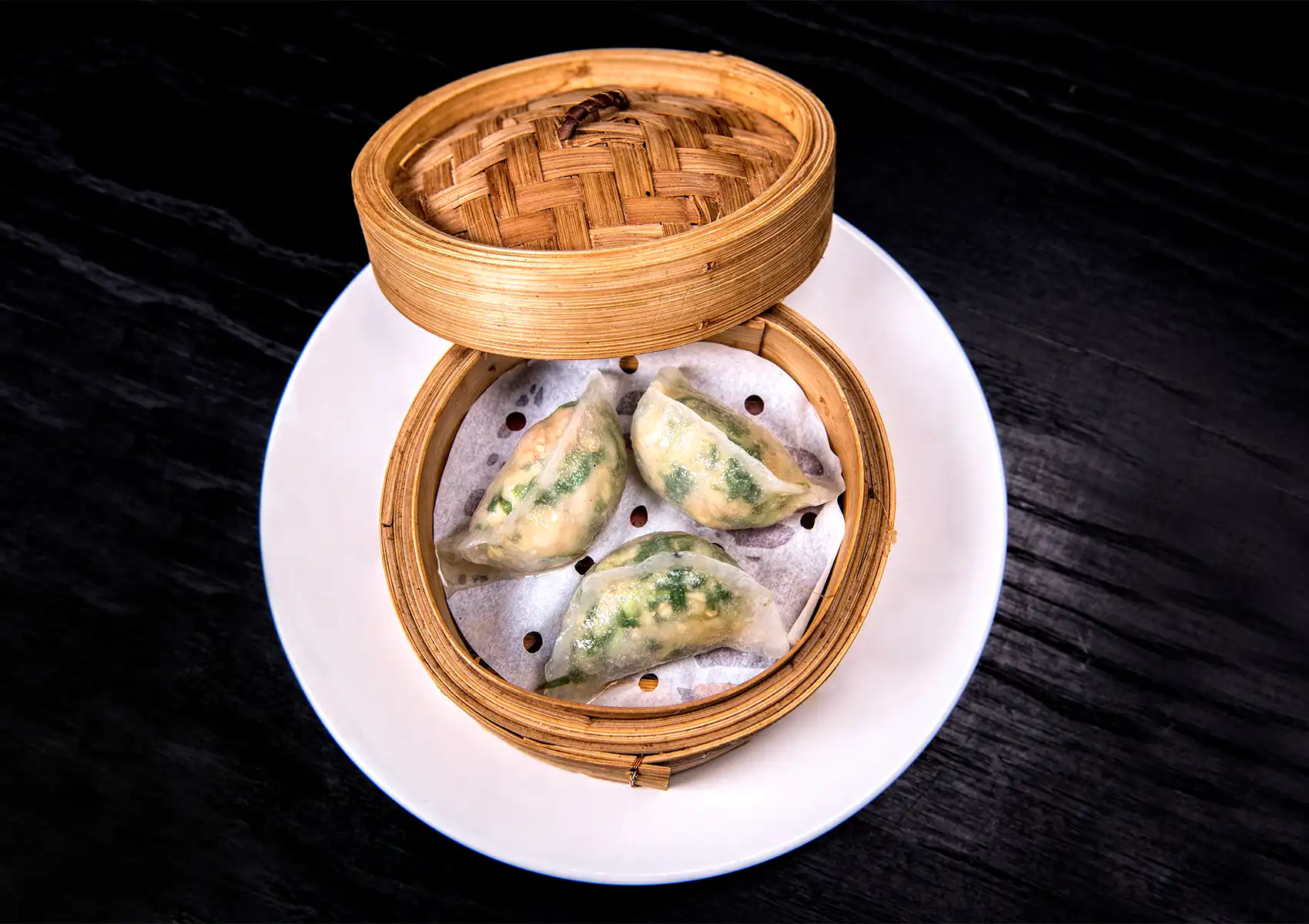
Tradition only survives when someone chooses to protect it. At Golden Monkey, that choice is made every single morning, in a kitchen where skill and the finest fresh ingredients come together before the first guest arrives.
Daily Preparation and Fresh Ingredients
At Golden Monkey, the preparation of handmade dumplings in Bali begins before the doors open. Each morning, the kitchen team hand-kneads the dough, prepares fresh prawn and pork fillings, and folds every single dumpling to order. Nothing is pre-packaged. Nothing is frozen from the night before. Fresh prawns, fragrant aromatics, and carefully balanced seasonings are combined in accordance with Cantonese heritage recipes refined over generations, producing a dumpling that tastes not just fresh, but alive with flavour.
Authentic Cantonese Flavours in the Heart of Bali
Bali has long been a place where cultures meet, and something extraordinary is created. At Golden Monkey, that meeting takes the form of a dining experience that honours the past whilst feeling entirely at home in the present. Nestled in the cultural heartland of Ubud and along the waterfront of Sanur, the restaurant bridges ancient Chinese culinary tradition with the island’s vibrant, modern dining scene.
Experience a Taste of History Today
The Best Way to Enjoy Our Handmade Selection
For the fullest experience of our handmade dumplings in Bali, pair your selection with a pot of traditional Chinese tea. Jasmine tea cuts beautifully through the richness of a steamed pork dumpling, whilst a lighter green tea brings out the sweetness of fresh prawn Har Gow. A small dish of chilli oil or ginger-infused soy sauce will add warmth and depth to every bite.
Join Us for an Authentic Dim Sum Feast
Whether you are discovering traditional dim sum for the very first time or returning to flavours that feel like home, Golden Monkey Bali welcomes you to experience Cantonese heritage food at its most genuine. Visit us in Ubud or Sanur, settle into a seat surrounded by Bali’s beauty, and let our chefs tell the story of authentic Chinese dumplings through every exquisite fold.